


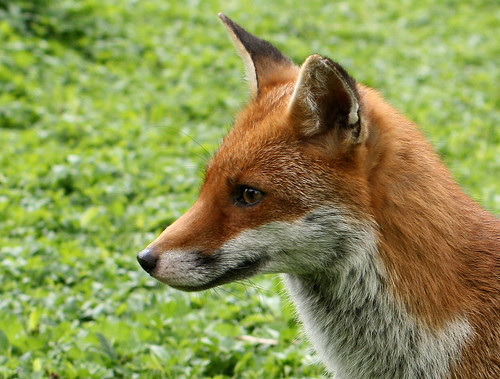
The British have a complicated relationship with the fox. To be fox-like is to show cunning, with the implication that one is deceitful, underhand even (as opposed to being 'foxy', which has a whole different meaning.) Those who live in the country distrust the fox implicitly. He kills livestock. He is 'vermin'. A pest. For that reason, he has been hunted as sport since the 16th century. A few years ago, amid all kinds of protests, hunting foxes with dogs was banned.
The debate pitted town against country. Country folk saw the hunting of foxes with dogs as a natural part of the cycle of life. Death is part of that. Animals hunt. The cat hunts the mouse, for example. Yes, town dwellers replied, but cats didn't chase the mouse for five miles wearing a silly hat, riding on a pig, led by a pack of bloodthirsty rats ready to tear it apart when the mouse finally collapsed with exhaustion. The cat often ate the mouse too. Whereas Fox l'orange appears on few menus. Foxes were killed for pleasure. What was wrong with that, other defenders of fox-hunting argued? It was an issue of freedom. Of townies, the majority, imposing their metropolitan ways on the countryside minority. It had its basis in class, too, they argued. Those who practice fox-hunting are, or were seen to be, upper-class, well-to-do, and this was a case of simple envy. They may have had a point. However, most of those arguing for a ban simply believed that hunting foxes with hounds was inhumane. They won. Fox-hunting is now forbidden and the Coalition Government, despite the largest party being the Tories, traditional defenders of hunting and the party of the countryside, have not seen fit to repeal.

Fox attacks on humans are incredibly rare - your average child is far more at risk from the family dog. The fox that patrols my street at night heads for the bushes whenever it sees us. That hasn't stopped the newspapers waxing hysterical, warning us all to keep doors and windows shut tight to prevent our little ones being attacked by these now savage beasts. There have also been calls for a cull. London alone has 10,000 foxes in its midst. That's one heck of a cull.
Of course, out in the country, lots of pro-hunters are sniggering over their Agas. Serves them right, they are saying. Ignorant townies just reaping what they sow. Foxes need to be controlled like any other pest, and now they aren't hunted, there's a growing amount and London gardens are proving a popular habitat. And they won't do anything about it because they think they're cuddly and sweet.
While something might need to be done, country people are just as guilty of endowing the fox with characteristics as we townies. For cuddly and sweet, read vicious and cunning. The fact is foxes are wild animals. No domestication for them. Like most wild animals, they hunt, they scavenge and generally do whatever they can to get by. The idea they are some horrible beast that needs to be slain is as absurd as thinking they'll be rolling on your lawn asking for their bellies to be tickled if you leave a plate of ham out for them every night. But this is Britain. Nation of supposed animal lovers.
Still, if you're looking for an investment in trouble times, now might be the time to get a share or two in companies who make fox traps.


